


Rotten egg smell when driving hard


Thread Starter
|
Registered User
Joined: Apr 2013
Posts: 34
Likes: 0
From: Oklahoma
Rotten egg smell when driving hard
Hi guys I'm new here, I just got a g35 about a month ago and I'm loving it!
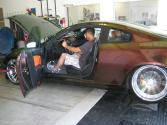
but I have some issues, when I bought the car, it came with coil overs and superrr low! which idk how to lift it yet!
Now I'm still getting use to it but my issue is that whenever I step on the gas pedal or drive it hard it smells like rotten eggs! bad! Now i figured that maybe the last owner damage the catalytic converter? because I'm sure i hit something down there a few times, now, the car drives perfectly fine, like I said it only smells when I drive it hard or on high revs.
please anyone share your knowledge
but I have some issues, when I bought the car, it came with coil overs and superrr low! which idk how to lift it yet!
Now I'm still getting use to it but my issue is that whenever I step on the gas pedal or drive it hard it smells like rotten eggs! bad! Now i figured that maybe the last owner damage the catalytic converter? because I'm sure i hit something down there a few times, now, the car drives perfectly fine, like I said it only smells when I drive it hard or on high revs.
please anyone share your knowledge



Thread Starter
|
Registered User
Joined: Apr 2013
Posts: 34
Likes: 0
From: Oklahoma
I already changed that filter but again, this happens when stepping on pedal, I don't think it comes from the vents or has nothing to do with my A/C, and engine is working fine, gas millage isn't bad at all either.
has it just recently started? or have it been an on going problem that has just recently gotten lworse.
Trending Topics
Thread Starter
|
Registered User
Joined: Apr 2013
Posts: 34
Likes: 0
From: Oklahoma
Since I got it, like a month ago, I guess it was going on before I got it too, not sure.


Registered User
Joined: Mar 2013
Posts: 15
Likes: 3
From: Tacoma Wa
So I found this on another site. I hope it helps.
On some vehicles, a sulfur smell or 'rotten egg' odor may be noticed coming from the exhaust system. The odor is usually noticed after a cold start, fast idle, extended periods of idling and full throttle acceleration. Sulfur smell is not an indication of an engine concern and will not cause reduced driveability or durability of the engine or any of its emission components. The sulfur smell or 'rotten egg' odor is caused by high amounts of sulfur in the gasoline being used in the vehicle.
Sulfur is normally eliminated during the refining process, but the EPA regulation of sulfur in gasoline differs from state to state. Vehicles using fuel containing high amounts of sulfur will most likely emit sulfur smell from the exhaust system. When high sulfur fuel is burned, there is a chemical reaction in the catalytic converter causing the sulfur to oxidize. As the vehicle is driven, the oxidizing reaction odor in the converter will decrease with mileage and age. Replacing the catalytic converter will not eliminate sulfur smell and replacement will just extend the period of time needed for the converter to 'age' allowing it to reduce sulfur smell to an acceptable level.
1.Switch to a different brand of fuel and drive the vehicle for at least 100 miles. Monitor the decrease or
increase in sulfur smell.
2.Do not add any type of 'fuel additive' as this could add sulfur to the fuel and cause/increase the odor.
3.Try to avoid extended periods of short trip driving or aggressive acceleration.
4.Request information from your local fuel dealers on the amounts of sulfur in their gasoline. Try to use fuel
containing the lowest amounts of sulfur.
5.Visit the EPA and gasoline company websites to stay informed on any changes in fuel or environmental regulations.
On some vehicles, a sulfur smell or 'rotten egg' odor may be noticed coming from the exhaust system. The odor is usually noticed after a cold start, fast idle, extended periods of idling and full throttle acceleration. Sulfur smell is not an indication of an engine concern and will not cause reduced driveability or durability of the engine or any of its emission components. The sulfur smell or 'rotten egg' odor is caused by high amounts of sulfur in the gasoline being used in the vehicle.
Sulfur is normally eliminated during the refining process, but the EPA regulation of sulfur in gasoline differs from state to state. Vehicles using fuel containing high amounts of sulfur will most likely emit sulfur smell from the exhaust system. When high sulfur fuel is burned, there is a chemical reaction in the catalytic converter causing the sulfur to oxidize. As the vehicle is driven, the oxidizing reaction odor in the converter will decrease with mileage and age. Replacing the catalytic converter will not eliminate sulfur smell and replacement will just extend the period of time needed for the converter to 'age' allowing it to reduce sulfur smell to an acceptable level.
1.Switch to a different brand of fuel and drive the vehicle for at least 100 miles. Monitor the decrease or
increase in sulfur smell.
2.Do not add any type of 'fuel additive' as this could add sulfur to the fuel and cause/increase the odor.
3.Try to avoid extended periods of short trip driving or aggressive acceleration.
4.Request information from your local fuel dealers on the amounts of sulfur in their gasoline. Try to use fuel
containing the lowest amounts of sulfur.
5.Visit the EPA and gasoline company websites to stay informed on any changes in fuel or environmental regulations.
Thread Starter
|
Registered User
Joined: Apr 2013
Posts: 34
Likes: 0
From: Oklahoma
interesting... well the car got about 100k miles on it, so I don't think that the catalytic converter is new, so it might be the gas? but I always have been using QuickTrip in all my cars and never had this issue, I'm still thinking maybe my catalytic converter might have some kind of leak, might gonna have to go to a exhaust shop or something. thanks guys!

Any time I've seen car emitting the "Rotten Egg" smell their cats are worn or plugged. The cause is from bad or leaded gas or possibly just time and mileage. If you live in a state where they're allowed HFCs should be your next move after you've had your cats checked with a flow test....Gary