


Pop Charger and 100deg. heat?


VQ37HR? I believe that one has dual cold airboxes.
Originally Posted by sloppymax
Wait. So the stock airbox can support a 7500-8000 rpm VQ35 pushing 300+ N/A whp but it cant support a stock VQ35 motor with a spacer. gimme a break.
Waiting on that list Russ 
I see your support is overwhelming. 
Originally Posted by Jeff92se
Um, if you haven't broken down an engine, put it back together, done 3-4 engine swaps, 4-5 clutch jobs, numerous suspension work, fabricated a front/ rear BBK kit, then no, you haven't done anything close to what I've done.
Sorry but when you come into threads for the sole pupose to threaten and call repsected members names, it should be grounds for a banning.
Either post your dynos or discontine posting in this thread. Simple as that.
Sorry but when you come into threads for the sole pupose to threaten and call repsected members names, it should be grounds for a banning.
Either post your dynos or discontine posting in this thread. Simple as that.
Originally Posted by G35_TX
Prove its right Jeff! And how do YOU know you have done more work on cars than I ever have or will?
LOL!
You wonder why you never get supported? Geeee.....Sorry if you don;t like that I am actually a member that is well respected here who has actually contributed stuff and even money to become a premium member unlike yourself.
Prove its right Jeff! And how do YOU know you have done more work on cars than I ever have or will?
LOL!
You wonder why you never get supported? Geeee.....Sorry if you don;t like that I am actually a member that is well respected here who has actually contributed stuff and even money to become a premium member unlike yourself.
Originally Posted by Jeff92se
VQ37HR? I believe that one has dual cold airboxes.


Registered User
Joined: Dec 2003
Posts: 2,514
Likes: 5
From: Marietta, Georgia
Home experimenters should pull a used [or new] oem pleated air filter apart and iron it out flat and measure the square inch area [of filtration] and compare to aftermarket cones or foam or anything............you will see oem is gigantic compared to anything else! Number of pleats x depth of pleats.
As someone who deals with used cars [and people who are 2nd-3rd owners], I recommend that noone buy a used car with evidence [drill holes other signs] of aftermarket air cleaners and mods.........excess ring wear is too expensive to fix.
In US few used buyers try to trace orginal owners and exact retribution, they just kick themselves later for being stupid or blame it on the used car salesman.
Dirt can only get into engine from the air filter [assumming fuel is clean].
As someone who deals with used cars [and people who are 2nd-3rd owners], I recommend that noone buy a used car with evidence [drill holes other signs] of aftermarket air cleaners and mods.........excess ring wear is too expensive to fix.
In US few used buyers try to trace orginal owners and exact retribution, they just kick themselves later for being stupid or blame it on the used car salesman.
Dirt can only get into engine from the air filter [assumming fuel is clean].

Calculating area is only part of the equation. Each brand or material has it's own flow characteristics (cotton, sponge, density) . Then you through in the oiled vs non-oiled factor. Length of pipe, path, & diameter of pipe also add into the equation. While we're at it, no filter can flow more than its pipe can handle and no filter can flow much more than its surface area allows (you can pretty much exclude pleats).
edit: No filter flows as much as it would ironed out. The filter must be calculated as assembled.
edit: No filter flows as much as it would ironed out. The filter must be calculated as assembled.
Dave I'm bogarting this pic but it shows what I'm running:

You mentioned that one side of the Stillen should be closed up. But if you look at the pic, the stillen completely seals off the engine side of the engine compartment from the intake area. The area to the right of the cone filter is open yes, and it's in the engine bay. But it's in an area closed off from the reast of the engine bay.
So if you took temp tests of this particular area, then I'm not sure if the tests were skewed a tad because you might not have closed this area off before taking the temp readings?
You mentioned that one side of the Stillen should be closed up. But if you look at the pic, the stillen completely seals off the engine side of the engine compartment from the intake area. The area to the right of the cone filter is open yes, and it's in the engine bay. But it's in an area closed off from the reast of the engine bay.
So if you took temp tests of this particular area, then I'm not sure if the tests were skewed a tad because you might not have closed this area off before taking the temp readings?
Originally Posted by DaveB
At slower speeds (sub 40mph) especially in stop and go traffic, aftermarket intakes (Stillen, JWT, CAIs) will ingest significantly hotter air because they are exposed to significantly more engine heat. At higher speeds, the hot air gets funneled out of the engine bay. I've done tests monitoring the air temp sensor and the aftermarket intake designs can see as high 50 degrees over ambient at a stop. The stock intake will only see about a 10 degree increase over ambient at a stop. Since the MAF sensor is responsible for relaying air intake temp and conditions, the POP style intakes may make for more laggy performance on hot days.

Originally Posted by Jeff92se
Dave I'm bogarting this pic but it shows what I'm running:
You mentioned that one side of the Stillen should be closed up. But if you look at the pic, the stillen completely seals off the engine side of the engine compartment from the intake area. The area to the right of the cone filter is open yes, and it's in the engine bay. But it's in an area closed off from the reast of the engine bay.
So if you took temp tests of this particular area, then I'm not sure if the tests were skewed a tad because you might not have closed this area off before taking the temp readings?
You mentioned that one side of the Stillen should be closed up. But if you look at the pic, the stillen completely seals off the engine side of the engine compartment from the intake area. The area to the right of the cone filter is open yes, and it's in the engine bay. But it's in an area closed off from the reast of the engine bay.
So if you took temp tests of this particular area, then I'm not sure if the tests were skewed a tad because you might not have closed this area off before taking the temp readings?


Registered User
Joined: Aug 2005
Posts: 272
Likes: 0
From: Houston, TX
question...so the JWT allows too much heat (at a dead stop) into the filter...so obviously it doesn't help much at low end...and we want the effect of the stock airbox because it keeps the heat out...but we want the cone filter because if sucks more air in, right??? And the stillen airbox encloses the filter and keeps SOME of the heat out that otherwise would come in, like from the JWT shield...
SO...here's my question...can you take the stock airbox and gut the inside and all that crap in there that restricts air and keep the noise level down, and then drop in one of those K&N aftermarket-OEM replica-filters and a Z tube? Or is that too restrictive? I'm sure inside that airbox are different layers of plastic chambers or something...can't we open it up and just gut everything and make it a big opening and just use an aftermarket filter just like our regular filter but a freeflow one???
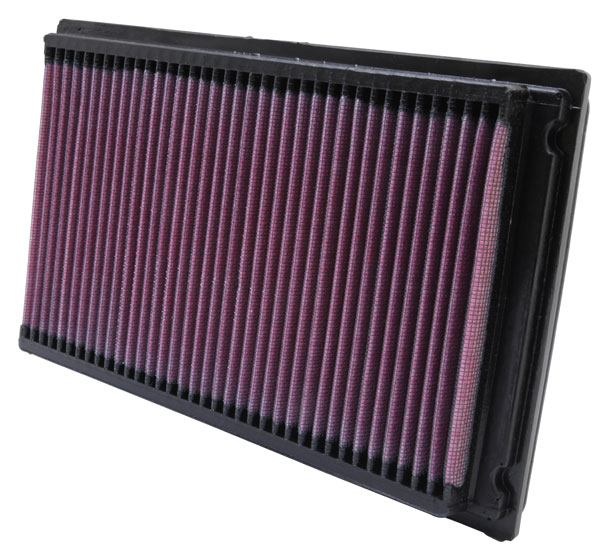
SO...here's my question...can you take the stock airbox and gut the inside and all that crap in there that restricts air and keep the noise level down, and then drop in one of those K&N aftermarket-OEM replica-filters and a Z tube? Or is that too restrictive? I'm sure inside that airbox are different layers of plastic chambers or something...can't we open it up and just gut everything and make it a big opening and just use an aftermarket filter just like our regular filter but a freeflow one???
Last edited by MeetJoeAsian; May 9, 2007 at 02:01 AM.